Track customer interactions in one CRM
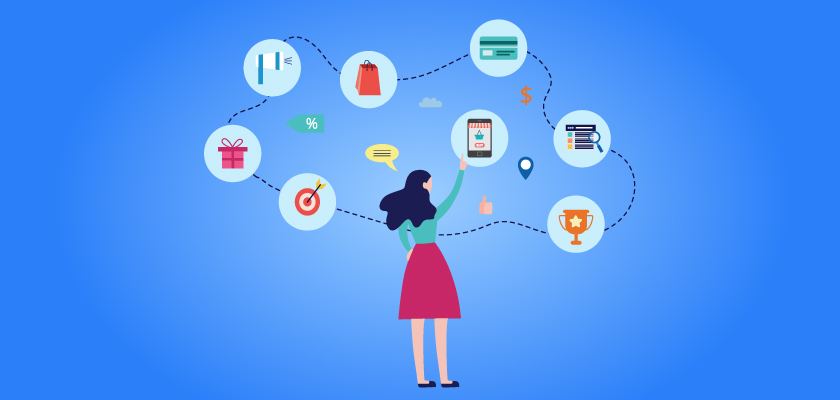
Tracking customer interactions in a single CRM streamlines communication, enhances efficiency, and strengthens relationships. By centralizing every touchpoint—emails, calls, social media engagements, and support tickets—businesses gain a complete, real-time view of each customer. This unified approach eliminates data silos, reduces manual entry, and ensures teams stay aligned.
With all interactions logged in one place, companies can deliver personalized experiences, anticipate needs, and respond faster. A consolidated CRM also provides valuable insights through analytics, improving decision-making and boosting sales performance. Ultimately, tracking customer interactions in one CRM empowers organizations to build stronger, more profitable, long-term customer relationships.
- Streamline Customer Engagement with Unified Interaction Tracking in One CRM
- Track Customer Interactions in One CRM: A Comprehensive Guide
- What CRM tool is best for tracking customer interactions in one place?
- Top CRM Tools for Centralized Customer Interaction Tracking
- Key Features to Look for in a CRM for Interaction Tracking
- Integration Capabilities and Data Consolidation
- What Are the 4 Key CRM Components for Tracking Customer Interactions in One System?
- 1. Contact Management
- 2. Interaction Tracking
- 3. Sales Pipeline Management
- How can a CRM streamline tracking customer interactions and relationships?
- Centralized Customer Data Management
- Automated Interaction Logging
- Enhanced Relationship Monitoring and Insights
- What CRM platform is best for tracking customer interactions and managing sales pipelines in one place?
- Key Features That Make a CRM Effective for Tracking Customer Interactions
- Essential Tools for Managing Sales Pipelines Effectively
- Top CRM Platforms That Combine Interaction Tracking and Pipeline Management
- Frequently Asked Questions
- Frequently Asked Questions
Streamline Customer Engagement with Unified Interaction Tracking in One CRM
Modern businesses thrive on meaningful customer relationships, and the ability to track every interaction from a single platform is a game-changer. A comprehensive CRM system that consolidates emails, calls, social media engagement, support tickets, and purchase history into one centralized hub ensures that no customer touchpoint is missed. This unified approach enhances team collaboration, improves response times, and enables personalized communication at scale.
By capturing and analyzing the full customer journey, organizations gain actionable insights into behavior and preferences, which drive better decision-making and long-term loyalty.
Centralized Communication History for Complete Visibility
A key benefit of tracking customer interactions in one CRM is the creation of a centralized communication history accessible to all relevant team members. Whether a customer contacts support via email, chat, or phone, each interaction is automatically logged and linked to their profile. This eliminates information silos and enables employees to pick up conversations seamlessly, without asking customers to repeat information.
Sales teams can review past discussions before outreach, service agents gain context quickly, and managers can audit engagement quality—ensuring a consistent and informed customer experience across all touchpoints.
Improved Personalization Through Data Integration
When all customer interactions are stored in one CRM, businesses can leverage integrated data to deliver hyper-personalized experiences. The system aggregates behavioral patterns, purchase timelines, support queries, and engagement frequency, enabling automation tools and marketing platforms to tailor messaging accurately. For example, if a customer recently asked about a product feature via chat, the CRM can trigger a follow-up email with a relevant demo video.
This level of personalization increases conversion rates, reduces churn, and strengthens brand trust by showing customers that their needs are understood and anticipated.
Enhanced Analytics and Performance Tracking
Tracking interactions within a single CRM empowers organizations with advanced analytics and performance tracking capabilities. Managers can generate real-time reports on response times, interaction volume, team productivity, and customer satisfaction metrics—all from one dashboard. These insights help identify bottlenecks in customer service, recognize top-performing agents, and refine communication strategies.
Over time, historical data reveals trends that inform product development, marketing campaigns, and customer retention initiatives, turning raw interaction data into a strategic business asset.
| Feature | Benefit | Business Impact |
|---|---|---|
| Unified Customer Profiles | Consolidates all interactions (calls, emails, chats) in one place | Reduces onboarding time and improves team efficiency |
| Automated Interaction Logging | Tracks customer activity without manual data entry | Increases accuracy and frees up employee time |
| Real-Time Activity Dashboards | Provides live visibility into customer engagement metrics | Supports faster decision-making and proactive service |
| Behavioral Trend Analysis | Identifies patterns in customer needs and feedback | Enables predictive support and targeted marketing |
Track Customer Interactions in One CRM: A Comprehensive Guide
What CRM tool is best for tracking customer interactions in one place?
Top CRM Tools for Centralized Customer Interaction Tracking
When evaluating CRM tools that excel at consolidating customer interactions in one unified platform, several stand out due to their robust data integration, communication tracking, and user-friendly interfaces. Salesforce leads the market with its comprehensive ecosystem, enabling users to log emails, calls, social media activity, and support tickets within a single customer profile. HubSpot CRM is another strong contender, especially for small to mid-sized businesses, offering free access to essential features like email tracking, meeting scheduling, and conversation history.
Microsoft Dynamics 365 integrates seamlessly with Outlook and Office tools, making it ideal for enterprise users already embedded in the Microsoft environment. Each of these platforms is designed to reduce data silos and enhance customer visibility across departments.
- Salesforce provides a 360-degree view of customer interactions with advanced automation and analytics, allowing teams to track every touchpoint across sales, marketing, and service.
- HubSpot CRM centralizes conversations from email, live chat, social media, and phone calls, and automatically logs them to contact records without manual input.
- Microsoft Dynamics 365 unifies customer data from various sources including LinkedIn and Outlook, offering contextual insights and real-time tracking across teams.
Key Features to Look for in a CRM for Interaction Tracking
To effectively track customer interactions in one place, certain core functionalities are essential for any CRM tool. First, automated activity logging ensures that emails, calls, and meeting notes are captured without manual entry, reducing human error and increasing efficiency. Second, omnichannel integration allows the CRM to pull data from multiple communication channels such as phone, email, social media, and live chat into a single timeline.
Third, customizable dashboards and reporting tools enable teams to monitor engagement patterns and identify follow-up opportunities. Without these capabilities, organizations risk fragmented insights and missed customer service opportunities.
- Automated logging of emails and meetings ensures every interaction is recorded in real-time against the correct customer profile, improving data accuracy.
- Omnichannel synchronization combines data from platforms like WhatsApp, Facebook, and support tickets so teams can view the full communication history in one place.
- Custom activity timelines and reporting modules allow managers to analyze interaction frequency, response times, and team performance across customer accounts.
Integration Capabilities and Data Consolidation
A CRM’s ability to integrate with existing business tools directly impacts how effectively customer interactions are tracked in a centralized system. The best CRM platforms offer native or API-based integrations with email clients, calendars, marketing automation tools, helpdesk software, and telephony systems. These connections ensure that data flows seamlessly from one platform to the CRM, eliminating duplicate entry and providing a coherent customer journey map.
For example, integrating a CRM with Gmail or Microsoft 365 enables automatic logging of sent and received emails. Similarly, connecting with tools like Zoom or Slack allows call transcripts and chat messages to be associated with the right customer record.
- Deep email and calendar integration with services like Gmail and Outlook ensures every customer communication is captured and time-stamped in the CRM.
- API access and third-party app marketplaces expand functionality by enabling connections with specialized tools such as e-commerce platforms or ERP systems.
- Synchronization with customer service tools like Zendesk or Freshdesk consolidates support tickets, chat logs, and call records into a single customer view.
What Are the 4 Key CRM Components for Tracking Customer Interactions in One System?
1. Contact Management
Contact management is a fundamental component of any CRM system, enabling businesses to store and organize customer information in a centralized database. This feature allows teams to maintain detailed records of customer profiles, including names, contact details, communication history, and preferences. Having a well-structured contact management system ensures that sales, marketing, and support teams can access up-to-date customer data quickly and accurately.
Efficient contact management also helps in segmenting clients for targeted campaigns and fosters personalized interactions.
- Centralizes customer data such as phone numbers, emails, addresses, and social media profiles.
- Tracks communication history, including emails, calls, and meetings, for a complete customer timeline.
- Enables team members to assign ownership, set reminders, and track follow-ups across departments.
2. Interaction Tracking
Interaction tracking ensures that every touchpoint a customer has with a business is recorded and accessible within the CRM. This includes emails, phone calls, live chat sessions, social media messages, and in-person meetings. By capturing these interactions in real time, companies gain insights into customer behavior, preferences, and issue resolution history. This transparency improves response times, reduces miscommunication, and enhances the overall customer experience.
Automated logging features further reduce manual entry and increase data accuracy.
- Logs all communication channels, providing a chronological view of customer engagements.
- Integrates with email and telephony systems to auto-record conversations and attachments.
- Allows tagging interactions by topic, sentiment, or priority for better analysis and follow-up.
3. Sales Pipeline Management
Sales pipeline management within a CRM system helps track customer interactions through each stage of the sales process, from lead generation to closing deals. This component provides visibility into where each prospect stands, helping sales teams prioritize efforts and forecast revenue more accurately. By aligning customer interactions with specific sales stages, organizations can identify bottlenecks, improve conversion rates, and ensure consistent follow-up procedures.
Customizable workflows and automation tools further enhance efficiency and reduce missed opportunities.
- Visualizes the progression of leads and opportunities across predefined sales stages.
- Tracks key metrics such as deal size, expected close date, and probability of conversion.
- Enables task automation, such as sending follow-up emails or scheduling calls based on pipeline activity.
How can a CRM streamline tracking customer interactions and relationships?
A CRM (Customer Relationship Management) system streamlines tracking customer interactions and relationships by centralizing all customer data into a unified platform, enabling businesses to efficiently monitor touchpoints across multiple channels such as email, phone, social media, and in-person meetings.
By automating data collection and providing real-time access to customer histories, a CRM ensures that every team member has accurate and up-to-date information. This visibility enhances coordination between departments, minimizes duplicated efforts, and supports a consistent customer experience. Furthermore, analytics and reporting tools within the CRM allow organizations to identify patterns, forecast trends, and personalize future engagements, ultimately improving customer satisfaction and retention.
Centralized Customer Data Management
- A CRM consolidates customer information—including contact details, communication history, transaction records, and preferences—into a single database, eliminating data silos across departments such as sales, marketing, and support.
- This centralized access ensures that any team member interacting with a customer can quickly retrieve complete context, reducing response time and preventing repetitive inquiries from the customer.
- By maintaining a unified customer profile, businesses can deliver more personalized interactions and anticipate customer needs based on historical behavior and interaction patterns.
Automated Interaction Logging
- CRMs automatically record customer interactions from various channels, such as logged calls, sent emails, and support tickets, without requiring manual entry by employees.
- Integration with email platforms and communication tools enables every message or meeting to be linked directly to the customer's profile, maintaining a chronological and detailed activity timeline.
- Automation reduces human error, ensures compliance with data tracking protocols, and allows staff to focus on relationship-building rather than administrative tasks.
Enhanced Relationship Monitoring and Insights
- Through built-in analytics, a CRM system tracks key relationship metrics such as engagement frequency, deal progression, customer satisfaction scores, and churn risk indicators.
- Managers and representatives can generate reports to monitor the health of customer relationships, identify at-risk accounts, and prioritize outreach efforts accordingly.
- AI-powered insights may suggest optimal follow-up times, recommend next steps, or highlight cross-selling opportunities based on interaction trends, strengthening long-term relationship development.
What CRM platform is best for tracking customer interactions and managing sales pipelines in one place?
The best CRM platform for tracking customer interactions and managing sales pipelines in one place is Salesforce. It offers a comprehensive suite of tools that enable businesses to centralize customer data, monitor every touchpoint across the buyer's journey, and streamline the sales process from lead generation to closure. Salesforce provides robust tracking capabilities, including email integration, activity logging, and real-time analytics, ensuring that sales teams have full visibility into customer behavior and engagement.
Its highly customizable interface allows organizations to adapt workflows to their specific sales methodologies, while automation tools reduce manual tasks and increase efficiency. Additionally, Salesforce integrates seamlessly with a wide range of third-party applications, making it a scalable solution for businesses of all sizes.
Key Features That Make a CRM Effective for Tracking Customer Interactions
- Centralized customer databases that store all communication history, notes, and engagement records in one accessible location, ensuring that every team member has up-to-date information.
- Activity tracking tools that automatically log emails, calls, meetings, and social media interactions, providing a complete timeline of customer touchpoints.
- Integration with communication channels such as email, live chat, and phone systems to capture real-time interactions without requiring manual input.
Essential Tools for Managing Sales Pipelines Effectively
- Visual pipeline dashboards that display deal stages, progress, and forecasted revenue, helping sales teams prioritize tasks and identify bottlenecks.
- Automation of follow-up tasks, reminders, and lead assignment to ensure consistent engagement and reduce the risk of opportunities falling through the cracks.
- Customizable sales stages and workflows that align with a company's unique sales process, allowing for accurate tracking and reporting on deal progression.
Top CRM Platforms That Combine Interaction Tracking and Pipeline Management
- Salesforce stands out due to its depth of functionality, extensive customization, and strong ecosystem of apps, making it ideal for complex sales environments requiring detailed tracking and forecasting.
- HubSpot CRM offers an intuitive interface with strong automation, free core features, and seamless integration between sales, marketing, and service tools for growing businesses.
- Microsoft Dynamics 365 integrates deeply with Office 365 and provides strong analytics and AI-driven insights, making it a solid choice for enterprises already using Microsoft products.
Leave a Reply