Build stronger customer connections using CRM
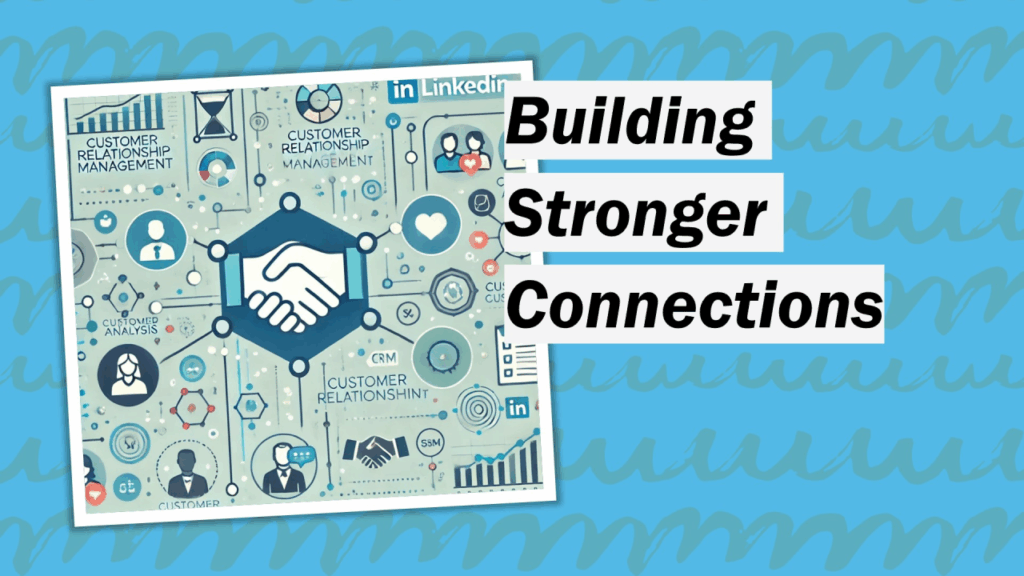
In today’s competitive marketplace, building stronger customer connections is essential for long-term success. Customer Relationship Management (CRM) systems play a pivotal role in transforming how businesses interact with their clients. By centralizing customer data, CRM tools enable companies to deliver personalized experiences, anticipate needs, and respond promptly to inquiries. This fosters trust and loyalty, turning one-time buyers into repeat customers.
Effective CRM usage enhances communication, streamlines sales processes, and provides valuable insights through data analytics. When leveraged strategically, CRM doesn’t just manage relationships—it strengthens them, driving growth and customer satisfaction.
- Build Stronger Customer Connections Using CRM
- Enhance Customer Relationships with Effective CRM Strategies
- What Are the 4 Key CRM Principles for Building Stronger Customer Connections?
- 1. Customer-Centric Approach
- 2. Consistent Communication Across Channels
- 3. Data-Driven Decision Making
- How can CRM enhance customer service to build stronger client relationships?
- Personalized Customer Interactions
- Centralized Customer Information
- Proactive Service and Issue Resolution
- How Can the 7 C's of CRM Help Build Stronger Customer Connections?
- Understanding the 7 C's: Clarity, Completeness, Conciseness, Courtesy, Correctness, Consideration, and Concreteness
- Enhancing Personalization Through the 7 C's in CRM
- Strengthening Trust and Loyalty Using the 7 C's Framework
- How can CRM enhance customer-centric strategies to build stronger relationships?
- Centralized Customer Data for Personalized Engagement
- Improved Responsiveness and Proactive Service
- Data-Driven Insights for Strategic Decision-Making
- Frequently Asked Questions
- Frequently Asked Questions
Build Stronger Customer Connections Using CRM
In today's highly competitive business landscape, building stronger customer connections is essential for long-term success and brand loyalty. A Customer Relationship Management (CRM) system serves as a powerful tool to centralize customer data, track interactions, and personalize communication. By leveraging CRM technology, companies gain deeper insights into customer behaviors, preferences, and purchasing patterns, enabling them to anticipate needs and deliver tailored experiences.
Whether it’s automating follow-ups, segmenting audiences for targeted marketing, or improving response times through integrated support channels, CRM platforms foster consistent and meaningful engagement. This enables businesses to move beyond transactional relationships and instead cultivate trust, boost retention, and drive customer advocacy through thoughtful, data-driven interactions.
Centralize Customer Data for a 360-Degree View
A key advantage of using CRM systems is the ability to centralize all customer information—such as contact details, purchase history, support tickets, and communication logs—into a single, accessible platform. This unified database allows sales, marketing, and customer service teams to have a comprehensive, real-time view of each customer, eliminating data silos and reducing the risk of miscommunication.
With a 360-degree perspective, businesses can better understand individual customer journeys, identify cross-selling or upselling opportunities, and deliver personalized service at scale. For example, when a customer reaches out with a query, support agents can instantly see past interactions and preferences, enabling faster, more empathetic resolutions that strengthen trust.
| CRM Feature | Benefit | Impact on Customer Connection |
|---|---|---|
| Contact Management | Stores all customer details in one place | Enables personalized, consistent communication |
| Interaction History | Tracks emails, calls, and support tickets | Helps teams understand context and build rapport |
| Lead Scoring | Prioritizes high-value prospects | Allows focused, relevant outreach |
| Customer Segmentation | Groups contacts based on behavior or demographics | Enhances targeting in marketing campaigns |
Personalize Interactions with Targeted Communication
CRM systems empower businesses to move away from generic messaging and instead deliver highly personalized communication based on individual customer data. Using insights gathered from past purchases, website activity, and engagement levels, companies can tailor emails, offers, and recommendations to match specific interests and needs. This level of personalization not only increases the relevance of each interaction but also makes customers feel understood and valued.
For instance, automated birthday discounts or product suggestions based on browsing history create positive emotional connections, driving engagement and repeat business. With CRM-powered marketing automation, these personalized touches can be scaled efficiently across large customer bases.
Enhance Support and Boost Customer Satisfaction
Efficient and empathetic customer support is a cornerstone of strong relationships, and CRM platforms significantly improve service delivery by streamlining support workflows and ensuring continuity. With CRM-integrated helpdesks, support agents can access full customer histories, reducing resolution times and preventing customers from repeating themselves.
Additionally, CRM systems enable proactive servicesuch as sending status updates or follow-up surveyswhich demonstrates attentiveness and commitment. By consistently meeting or exceeding customer expectations through reliable, timely support, businesses reinforce trust, increase satisfaction scores, and turn service interactions into opportunities for deeper engagement and loyalty.
Enhance Customer Relationships with Effective CRM Strategies
What Are the 4 Key CRM Principles for Building Stronger Customer Connections?
1. Customer-Centric Approach
Putting the customer at the heart of all business strategies is a foundational CRM principle. A customer-centric approach ensures that every decision, process, and interaction is designed to enhance the customer experience. This goes beyond simply offering good service—it involves deeply understanding customer needs, preferences, and behaviors and aligning business operations accordingly.
- Organizations prioritize customer needs in product development, service delivery, and support systems to foster loyalty and trust.
- Data collected through CRM platforms helps identify customer pain points and opportunities for personalized engagement.
- Employees at all levels are trained to focus on delivering value and building relationships rather than just completing transactions.
2. Consistent Communication Across Channels
Maintaining seamless and consistent interactions across multiple touchpoints—such as email, social media, phone, and live chat—is essential for strong CRM. Customers expect unified experiences regardless of how or where they engage with a brand, and inconsistent messaging can lead to confusion and erode trust.
- Integrated CRM systems enable teams to access up-to-date customer histories, ensuring continuity in conversations across departments and channels.
- Timely follow-ups and personalized messages keep customers engaged and informed at every stage of their journey.
- Companies use automation tools to deliver relevant content and responses based on customer behavior while maintaining a human touch.
3. Data-Driven Decision Making
Effective CRM relies heavily on the collection, analysis, and application of customer data. By turning insights from customer interactions into actionable strategies, businesses can improve targeting, increase satisfaction, and optimize marketing efforts.
- CRM software captures data ranging from purchase history to support inquiries, enabling a comprehensive view of each customer.
- Analytics tools help identify trends, predict customer behavior, and segment audiences for more effective outreach.
- Regular reporting allows teams to measure performance, adjust tactics, and refine customer engagement strategies over time.
How can CRM enhance customer service to build stronger client relationships?
Personalized Customer Interactions
Personalization is a cornerstone of exceptional customer service, and CRM systems enable businesses to deliver tailored experiences by collecting and analyzing detailed customer data. With access to past interactions, purchase history, preferences, and communication patterns, support teams can engage with clients in a more meaningful way. This level of personalization makes customers feel valued and understood, fostering trust and loyalty.
- CRM tracks individual customer preferences, allowing agents to recommend relevant products or services based on past behavior.
- Service representatives can address customers by name and reference previous interactions, creating a more human and empathetic connection.
- Automated personalization features, such as targeted email campaigns or customized service alerts, ensure timely and relevant communication.
Centralized Customer Information
One of the most significant advantages of CRM systems is the consolidation of customer data into a single, accessible platform. This eliminates data silos and ensures that every team member—from sales to support—works with the same up-to-date information. When customer records are centralized, service delivery becomes faster, more accurate, and more consistent across all touchpoints.
- All customer interactions, including emails, phone calls, and support tickets, are logged in one place, providing a complete history for every client.
- Support teams can quickly access relevant details during service calls, reducing resolution time and minimizing the need to ask customers to repeat information.
- Cross-departmental collaboration improves, as sales, marketing, and support teams can align their efforts based on shared insights from the CRM.
Proactive Service and Issue Resolution
CRM systems empower organizations to shift from reactive to proactive customer service by identifying potential issues before they escalate. Through data analytics and automation, businesses can anticipate customer needs, monitor service metrics, and intervene at critical moments to enhance satisfaction and prevent churn.
- CRM tools can flag customers with repeated service requests or declining engagement, prompting outreach before dissatisfaction leads to disengagement.
- Automated workflows trigger follow-ups after purchases or support interactions, ensuring customers receive timely assistance and feel supported.
- Analytics within the CRM identify common pain points, enabling companies to refine processes and address systemic issues that impact service quality.
How Can the 7 C's of CRM Help Build Stronger Customer Connections?
Understanding the 7 C's: Clarity, Completeness, Conciseness, Courtesy, Correctness, Consideration, and Concreteness
- Clarity ensures that every message sent to customers is easy to understand, avoiding jargon and complex language. When communication is clear, customers feel more confident in their interactions with a brand, leading to stronger trust and reduced misunderstandings.
- Completeness means providing all necessary information a customer might need to make a decision or resolve an issue. A complete communication reduces the need for follow-ups and shows the customer that the company values their time and effort.
- Conciseness involves delivering messages in a brief and focused manner without sacrificing essential details. When CRM messages are concise, customers are more likely to engage and retain the information, enhancing the overall responsiveness of the relationship.
- Courtesy reflects a respectful and polite tone in every customer interaction. Polite communication fosters goodwill and makes customers feel appreciated, which strengthens emotional connections with the brand.
- Correctness ensures that all data, grammar, and facts shared in customer communications are accurate. Accurate information prevents confusion and reinforces the business's credibility.
- Consideration means tailoring messages to address the customer's needs, preferences, and perspective. By showing empathy and personalization, businesses can deepen customer loyalty and demonstrate genuine care.
- Concreteness involves using specific, tangible facts and real-world examples in communication. Concrete messages are more believable and convincing, helping customers feel more secure in their decisions and interactions.
Enhancing Personalization Through the 7 C's in CRM
- When CRM strategies apply the principle of consideration, businesses gather and use customer data to craft messages that reflect individual preferences and behaviors. This level of personal attention makes customers feel uniquely valued, increasing engagement and satisfaction.
- Clarity and conciseness play a vital role in personalized email campaigns or automated messages. Well-structured, straightforward content ensures the customer quickly understands the offer or update without feeling overwhelmed.
- By maintaining correctness and concreteness in personalized communications—such as using accurate names, purchase history, or service details—companies build reliability. Customers are more likely to respond positively when they see their information is respected and used appropriately.
Strengthening Trust and Loyalty Using the 7 C's Framework
- Consistently applying courtesy and consideration in all customer touchpoints fosters a respectful and empathetic brand image. Customers are more likely to remain loyal when they feel treated with dignity and respect over time.
- Completeness and correctness in resolving inquiries or providing product information prevent misinformation and reduce frustration. Transparent, reliable communication establishes the business as trustworthy and dependable.
- Concreteness, when used in loyalty programs or feedback responses, demonstrates that the company takes tangible action based on customer input. Providing specific outcomes or changes resulting from customer suggestions reinforces that their voice matters, deepening long-term loyalty.
How can CRM enhance customer-centric strategies to build stronger relationships?
Centralized Customer Data for Personalized Engagement
A key way CRM enhances customer-centric strategies is by centralizing customer information into a single, accessible platform. This unified view includes interaction history, purchase behavior, preferences, and demographic details, enabling businesses to understand customers on a deeper level. With this comprehensive data, companies can deliver highly personalized experiences across multiple touchpoints, such as email, social media, and customer service interactions. Personalization fosters stronger emotional connections with customers, increasing loyalty and trust.
- CRM systems consolidate data from sales, marketing, and support teams, eliminating silos and providing a 360-degree customer view.
- Teams can tailor communications based on individual preferences, past behaviors, and lifecycle stage, improving relevance and engagement.
- Personalized recommendations and targeted offers increase conversion rates and encourage repeat business.
Improved Responsiveness and Proactive Service
CRM tools streamline communication and response processes, allowing organizations to address customer needs faster and more effectively. Automated workflows, ticketing systems, and real-time notifications ensure that no customer inquiry goes unnoticed. Beyond reactive support, CRM enables proactive outreach by identifying at-risk customers or those showing interest in new offerings. This level of attentiveness makes customers feel valued and strengthens long-term relationships.
- Automated alerts and task assignments help customer service teams respond promptly to inquiries and issues.
- CRM analytics can flag customers with declining engagement, prompting retention efforts before churn occurs.
- Proactive follow-ups, such as check-ins after a purchase or service update, enhance customer satisfaction and build trust.
Data-Driven Insights for Strategic Decision-Making
CRM platforms provide powerful analytics and reporting capabilities that turn raw customer data into actionable insights. Businesses can identify patterns in behavior, measure campaign effectiveness, and forecast future trends. These insights inform strategic decisions across departments, ensuring that customer needs remain at the core of product development, marketing, and service initiatives. A data-informed approach leads to more relevant offerings and better alignment with customer expectations.
- CRM dashboards track key performance indicators like customer satisfaction, retention rates, and lifetime value over time.
- Predictive analytics helps determine which customers are most likely to respond to specific promotions or require additional support.
- Ongoing analysis of customer feedback and interaction data allows for continuous improvement in service delivery and experience design.
Leave a Reply