Manage your leads better using CRM
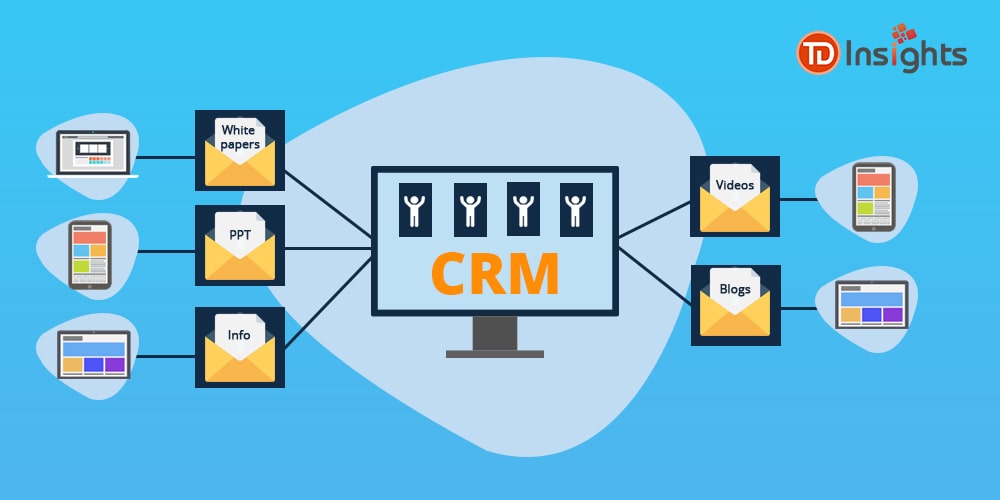
In today's competitive business environment, effectively managing leads is crucial for driving sales and fostering growth. Customer Relationship Management (CRM) systems have emerged as powerful tools to streamline lead tracking, organization, and follow-up. By centralizing lead data, CRM platforms provide sales teams with real-time insights, automate repetitive tasks, and enhance communication across departments.
With the right CRM, businesses can prioritize high-quality leads, reduce response times, and improve conversion rates. This article explores how leveraging CRM technology transforms lead management, enabling organizations to build stronger relationships, optimize sales pipelines, and achieve sustainable success in an increasingly digital marketplace.
- Streamline Lead Management with CRM Tools
- Enhance Lead Management Efficiency with CRM Tools
- How can CRM improve lead management efficiency?
- Centralized Lead Data and Accessibility
- Automated Lead Capture and Distribution
- Lead Tracking, Scoring, and Nurturing
- What Are the 7 Key Principles of CRM for Effective Lead Management?
- 1. Centralized Data Management for Comprehensive Lead Insights
- 2. Lead Scoring to Prioritize High-Value Prospects
- 3. Automated Workflow Integration for Efficient Lead Nurturing
- What are the 4 core principles of CRM for effective lead management?
- 1. Centralized Data Management
- 2. Lead Segmentation and Personalization
- 3. Automated Lead Nurturing and Tracking
- Frequently Asked Questions
- Frequently Asked Questions
Streamline Lead Management with CRM Tools
Effective lead management is crucial for driving sales growth and improving customer relationships, and Customer Relationship Management (CRM) systems provide the structure and automation needed to handle leads efficiently. A CRM centralizes all lead information—contact details, interaction history, preferences, and sales stage—into one accessible platform, enabling sales and marketing teams to collaborate seamlessly.
With real-time data synchronization, businesses can track lead behavior, score leads based on engagement and fit, and assign them to the most appropriate sales representative. Automation features, such as follow-up reminders and email workflows, ensure no opportunity is missed, while analytics offer insights into lead conversion patterns, helping optimize strategies for better outcomes.
By replacing manual spreadsheets and fragmented communication, a CRM system transforms lead management into a data-driven, organized, and highly responsive process that increases conversion rates and revenue.
Centralized Lead Data for Improved Accessibility
A CRM system consolidates all lead-related information into a unified database, eliminating data silos across departments and ensuring every team member has access to up-to-date information. Whether leads come from websites, social media, email campaigns, or events, they are automatically captured and stored in the CRM with full context, including demographics, communication history, and behavioral data.
This centralized approach prevents duplication, reduces manual data entry, and ensures consistency, allowing sales representatives to personalize interactions based on complete lead profiles. Teams can easily search, filter, and update records, enabling faster response times and smarter decision-making. As a result, businesses experience fewer dropped leads and improved operational efficiency.
| Feature | Description | Business Benefit |
|---|---|---|
| Unified Database | Stores all lead interactions and data in one place | Prevents data loss and reduces redundancy |
| Real-time Updates | Changes are reflected instantly for all users | Ensures team alignment and timely actions |
| Cross-Platform Sync | Integrates with email, phone, and social media | Provides a 360-degree view of each lead |
Automated Lead Scoring and Prioritization
One of the most powerful features of a CRM is the ability to automatically assign scores to leads based on predefined criteria such as engagement level, job title, company size, or website activity. This automated lead scoring allows sales teams to prioritize high-value prospects who are most likely to convert, focusing efforts where they matter most. Businesses can customize scoring models to align with their ideal customer profile, ensuring relevance and accuracy.
As leads interact with content—such as opening emails, clicking links, or downloading whitepapers—their score updates dynamically, signaling sales when a lead is sales-ready. This intelligent prioritization reduces time wasted on unqualified leads and increases overall sales productivity.
| Scoring Criteria | Example Value | Impact on Lead Score |
|---|---|---|
| Email Opens | 5 points per open | Indicates initial interest |
| Content Downloads | 20 points per download | Suggests deeper engagement |
| Job Title Match | 30 points if decision-maker | Higher conversion likelihood |
Seamless Integration with Marketing and Sales Workflows
Modern CRM platforms offer seamless integration with email marketing tools, social media platforms, customer support systems, and sales automation software, creating a cohesive ecosystem for managing the entire customer journey. When a lead fills out a form on a landing page, the CRM captures the data and triggers a welcome email sequence through integrated marketing tools. As the lead progresses, sales teams receive automated notifications and can schedule follow-ups directly within the system.
This end-to-end integration ensures consistent communication, reduces manual handoffs, and enables precise tracking of lead movement across the funnel. With all workflows connected, businesses can deliver personalized experiences at scale, accelerate response times, and maintain a single source of truth for every prospect.
| Integration Type | Key Functionality | Operational Advantage |
|---|---|---|
| Email Marketing | Syncs campaigns and tracks opens/clicks | Aligns marketing efforts with sales follow-up |
| Social Media | Monitors lead activity on LinkedIn, Twitter, etc. | Provides insights for targeted engagement |
| Calendar & Task Management | Automates reminders and schedules meetings | Improves follow-up consistency and accountability |
Enhance Lead Management Efficiency with CRM Tools
How can CRM improve lead management efficiency?
A CRM (Customer Relationship Management) system enhances lead management efficiency by centralizing lead data, automating workflows, and enabling data-driven decision-making. Through a structured digital environment, businesses can capture, track, and nurture leads more effectively across multiple channels.
A CRM ensures that no lead falls through the cracks by assigning tasks, logging interactions, and providing visibility into the sales pipeline. This integration streamlines team collaboration, reduces manual workloads, and increases conversion rates through timely, personalized engagement strategies.
Centralized Lead Data and Accessibility
- A CRM consolidates all lead information—such as contact details, interaction history, source of origin, and engagement levels—into a single, secure database, ensuring that every team member accesses the same up-to-date information.
- With centralized data, sales and marketing teams can avoid duplication of efforts, reduce miscommunication, and maintain consistent messaging tailored to each lead’s stage in the buying journey.
- Remote and hybrid teams benefit from real-time access to lead records from any location, allowing for faster responses and seamless handoffs between departments, such as when marketing qualified leads are passed to sales.
Automated Lead Capture and Distribution
- CRMs can automatically capture leads from various sources—including website forms, social media, email campaigns, and chatbots—eliminating the need for manual data entry and reducing human error.
- Using predefined rules, a CRM can route leads to the most appropriate sales representative based on criteria like geography, product interest, or lead score, ensuring faster follow-up and better lead-to-rep alignment.
- Automation also enables immediate acknowledgment of leads through auto-responses or welcome emails, improving the initial customer experience and increasing the likelihood of early engagement.
Lead Tracking, Scoring, and Nurturing
- CRMs employ lead scoring models that assign values to leads based on behavior, demographics, and engagement patterns, helping sales teams prioritize high-potential prospects.
- Through detailed activity tracking—like email opens, page visits, and meeting attendance—teams gain insights into lead intent and readiness, allowing for timely, context-aware follow-ups.
- Nurturing campaigns can be scheduled and monitored within the CRM using automated workflows that deliver relevant content at key stages, guiding leads through the funnel without constant manual intervention.
What Are the 7 Key Principles of CRM for Effective Lead Management?
1. Centralized Data Management for Comprehensive Lead Insights
Maintaining a centralized database within a CRM system ensures that all lead-related information is securely stored and easily accessible across departments. This principle eliminates data silos and provides a unified view of each lead, enabling sales and marketing teams to make informed decisions. A single source of truth improves accuracy, reduces duplication, and supports consistent communication with prospects throughout the buyer's journey.
- Store all lead interactions, including emails, calls, and form submissions, in one integrated platform to ensure consistency and transparency.
- Enable real-time updates so that any changes in lead status or behavior are instantly reflected across the team.
- Utilize data segmentation to categorize leads based on demographics, behavior, or engagement level for more personalized follow-up strategies.
2. Lead Scoring to Prioritize High-Value Prospects
Lead scoring assigns numerical values to prospects based on their engagement level, demographic fit, and behavior, allowing teams to focus on the most promising leads. This principle helps sales representatives prioritize their efforts efficiently and improves conversion rates by identifying leads that are sales-ready. A well-defined scoring model aligns marketing and sales on what constitutes a qualified lead.
- Define clear criteria for both demographic factors (e.g., job title, industry) and behavioral indicators (e.g., website visits, email opens) to create a balanced scoring system.
- Automate the scoring process within the CRM so that scores are updated dynamically as leads interact with content or campaigns.
- Set thresholds for lead handoff from marketing to sales, ensuring that only leads meeting specific score benchmarks are passed for direct outreach.
3. Automated Workflow Integration for Efficient Lead Nurturing
Automation streamlines repetitive tasks such as email follow-ups, task assignments, and lead routing, ensuring timely and consistent engagement with prospects. By implementing automated workflows, businesses can deliver relevant content at the right stage of the buyer’s journey, increasing the likelihood of conversion. This principle enhances productivity and reduces the risk of leads falling through the cracks.
- Create drip email campaigns triggered by specific lead actions, such as downloading a whitepaper or attending a webinar, to maintain engagement over time.
- Set up automatic lead assignment rules based on territory, product interest, or lead score to ensure prompt follow-up by the appropriate sales representative.
- Use workflow alerts and reminders to notify team members of stalled leads or upcoming follow-up tasks, maintaining momentum in the sales pipeline.
What are the 4 core principles of CRM for effective lead management?
1. Centralized Data Management
Centralized data management is a foundational principle of CRM for effective lead management. It ensures that all customer and prospect information is stored in a single, accessible platform, allowing sales, marketing, and support teams to access up-to-date and consistent data. This eliminates data silos and reduces the risk of duplication, inconsistencies, or lost leads. With a unified database, organizations gain a complete view of each lead's journey, interactions, and preferences, enabling personalized engagement and timely follow-ups.
- Facilitates real-time access to lead information across departments, improving collaboration and decision-making.
- Enables accurate tracking of lead sources, behaviors, and conversion paths to refine targeting strategies.
- Supports data hygiene practices such as regular updates, de-duplication, and validation to maintain data accuracy.
2. Lead Segmentation and Personalization
Lead segmentation and personalization involve categorizing leads based on specific criteria such as demographics, behavior, engagement level, or purchase intent, and tailoring communications accordingly. This principle increases relevance and engagement by delivering the right message to the right audience at the right time. Effective CRM systems use segmentation to automate targeted campaigns and nurture leads through personalized content, improving conversion rates and customer satisfaction.
- Allows marketers to create dynamic lead groups based on firmographic, psychographic, or behavioral data for more focused outreach.
- Enables automated workflows that deliver customized content, such as emails or offers, based on a lead's stage in the sales funnel.
- Helps prioritize high-value leads by identifying those with higher engagement or stronger intent signals.
3. Automated Lead Nurturing and Tracking
Automation within CRM systems plays a crucial role in efficiently managing leads throughout the sales cycle. Automated lead nurturing ensures consistent communication with prospects through scheduled emails, reminders, and follow-ups, even when leads are not immediately ready to buy. Simultaneously, tracking capabilities monitor every interaction, from website visits to email opens and form submissions, providing visibility into lead behavior and engagement levels.
- Reduces manual workload by automating repetitive tasks such as lead scoring, follow-up emails, and task assignments.
- Tracks lead interactions across multiple channels, helping sales teams identify warm leads and optimal times to engage.
- Provides analytics and reporting features to measure nurturing campaign effectiveness and optimize future strategies.
Leave a Reply